
Energy strategy has become an increasingly important consideration for UK commercial and industrial businesses. Electricity costs, pressure to reduce carbon emissions and the need for greater control over long-term operating costs are encouraging organisations to look more closely at how they generate, store and use energy.
Commercial Solar PV and Battery Storage can play an important role in that strategy. From factories and warehouses to offices, logistics centres and other high-consumption sites, correctly designed systems can reduce reliance on grid electricity, improve energy efficiency and provide businesses with greater control over when and how energy is used.
At Steve Rooke Ltd, we design, install and commission commercial Solar PV and Battery Storage systems for businesses across Sussex, Hampshire and the South Coast. Drawing on more than 20 years of electrical experience, we consider the complete electrical infrastructure of a site — not simply the installation of solar panels or batteries in isolation.
This article looks at how Solar PV and Battery Storage are transforming UK businesses, where the greatest benefits can be achieved and the key factors organisations should consider before investing.
Why UK Businesses Are Taking Greater Control of Their Energy
Energy remains a significant operating cost for many UK businesses, particularly manufacturing facilities, warehouses, logistics operations, cold storage facilities and other sites with substantial or continuous electrical demand.
Businesses are also having to consider future electrical requirements as operations become increasingly electrified. Additional machinery, automation, heating and cooling systems, EV charging infrastructure and business expansion can all increase demand on an existing electrical supply.
Against this background, commercial and industrial organisations are increasingly considering on-site generation and energy storage as part of their wider electrical and energy strategy.
The objectives will vary from site to site, but commonly include:
- Reducing electricity purchased from the grid
- Increasing control over long-term energy costs
- Making better use of available roof space
- Reducing carbon emissions and supporting Net Zero objectives
- Managing peak electrical demand
- Supporting future EV charging and electrification
- Making greater use of electricity generated on site
How Commercial Solar PV Can Reduce Grid Electricity Use
Solar PV generates electricity directly at the premises, allowing businesses to use renewable energy on site rather than purchasing the equivalent electricity from the grid.
The commercial case can be particularly strong where a business has consistent daytime electricity consumption that aligns well with solar generation.
Reduced Daytime Electricity Costs
Factories, warehouses, offices and other commercial premises frequently consume significant amounts of electricity during daylight hours. Solar generation can directly contribute towards loads such as production equipment, HVAC systems, refrigeration, lighting, compressed air and general building services.
The greater the proportion of generated electricity that can be used on site, the less electricity needs to be imported from the grid.
Greater Long-Term Energy Cost Certainty
A commercial Solar PV installation is a long-term asset. Modern panels are typically supplied with lengthy product and performance warranties, allowing businesses to generate a proportion of their own electricity for many years.
Although future grid electricity prices cannot be predicted, generating electricity on site reduces the proportion of a business’s consumption that is directly exposed to those prices.
Making Productive Use of Commercial Roof Space
Large commercial and industrial roofs can provide valuable space for Solar PV. Warehouses, factories and other industrial buildings can potentially accommodate substantial arrays without using operational ground space.
Roof condition, structural capacity, orientation, shading, access and the proposed mounting system all need to be assessed as part of the design process.
Supporting Sustainability and Net Zero Objectives
Using renewable electricity generated on site can reduce the carbon emissions associated with grid electricity consumption and contribute towards wider environmental and sustainability objectives.
For organisations reporting on carbon reduction or responding to sustainability requirements within their supply chains, investment in renewable generation can also form part of a broader environmental strategy.
Where Commercial Battery Storage Adds Value
Battery Storage gives businesses greater flexibility over when electricity is stored and consumed. However, a battery should not simply be added to every Solar PV installation.
Its value depends on factors including the site’s consumption profile, solar generation, electricity tariff, peak demand, export arrangements and future energy requirements.
Increasing Solar Self-Consumption
Where a Solar PV system generates more electricity than the business requires at certain times of day, a battery can store some of that surplus electricity for use later rather than exporting it immediately to the grid.
This can be particularly useful where electricity consumption continues into the evening or outside peak solar-generation periods.
Peak Shaving and Load Shifting
Battery Storage can be configured to supply stored electricity during periods of higher demand or higher electricity prices, reducing reliance on grid electricity at those times.
For businesses with suitable tariffs and consumption patterns, batteries may also be charged when electricity is cheaper and discharged when grid electricity is more expensive.
Supporting Site Resilience
Battery systems can potentially contribute to site resilience, but backup operation must be designed correctly. A standard battery installation should not automatically be assumed to maintain power during a grid failure.
Where continuity of supply is an objective, the required loads, battery capacity, inverter configuration, switching arrangements and wider electrical infrastructure need to be considered as part of the system design.
Adding Battery Storage to Existing Solar PV
Businesses with an existing Solar PV installation may also be able to add Battery Storage. AC-coupled systems can provide a practical way of introducing storage without necessarily replacing the existing solar inverter, while hybrid inverter solutions can integrate solar generation and battery storage within a new system.
Steve Rooke Ltd specialises in GivEnergy Battery Storage solutions and can integrate storage with both new and suitable existing Solar PV installations.
Solar PV or Solar PV + Battery Storage?
The right solution depends on how a business actually uses electricity.
A site with high daytime consumption may be able to use a large proportion of its solar generation immediately, potentially making Solar PV alone highly effective. A business that produces substantial surplus solar electricity during the day but consumes more energy later may gain additional value from Battery Storage.
Battery Storage may be particularly worth investigating where a business:
- Exports significant surplus solar generation
- Has substantial evening or overnight electricity demand
- Can take advantage of time-of-use electricity tariffs
- Experiences periods of high peak demand
- Plans to introduce or expand EV charging
- Wants greater control over when on-site energy is consumed
- Has specific resilience requirements that can be incorporated into the system design
This is why analysing actual site consumption is important before specifying either the Solar PV array or Battery Storage capacity.
Correct System Sizing Is Critical
A commercial renewable-energy system should be designed around the site rather than simply installing the maximum number of panels or the largest available battery.
Historical electricity consumption, half-hourly usage data where available, operational hours, seasonal demand, available roof area and anticipated future loads can all help determine an appropriate system design.
For Battery Storage, the relationship between solar generation and consumption is particularly important. An oversized battery that cannot be regularly utilised may provide poor value, while an undersized system may fail to capture useful surplus generation or provide the required load-shifting capacity.
A detailed site and energy assessment allows the system to be designed around realistic operational requirements.
Grid Connection and Export Considerations
Commercial Solar PV and Battery Storage installations also need to be considered in relation to the local electricity network.
Depending on the size and configuration of the proposed system, the relevant Distribution Network Operator (DNO) requirements must be established and the appropriate notification or application process followed.
Available export capacity can also influence system design. Where export is constrained, increasing on-site consumption or incorporating appropriately sized Battery Storage may help businesses make better use of the electricity they generate.
Considering these requirements early in a project helps identify potential limitations before the final system is specified.
The Installation Process with Steve Rooke Ltd
As an MCS-certified installer and NICEIC Approved Contractor with more than 20 years’ electrical experience, Steve Rooke Ltd can manage the complete Solar PV and Battery Storage project from initial assessment through to testing, commissioning and handover.
Site Survey & Feasibility
We assess the existing electrical infrastructure, available roof space, roof condition, access requirements, energy consumption and potential generation.
System Design
The proposed system is designed around the requirements of the site, including panel layout, inverter specification, Battery Storage where appropriate, monitoring and export considerations.
Grid Applications & Project Planning
Applicable DNO requirements are established and the necessary application or notification process incorporated into project planning.
Installation
Our experienced team installs the Solar PV array and associated electrical infrastructure, including mounting equipment, cabling, containment, isolation, inverters and Battery Storage where specified.
Testing & Commissioning
The completed installation is tested and commissioned, with monitoring configured and the system integrated with the site’s electrical infrastructure.
Certification & Handover
Relevant certification, warranties and system documentation are provided together with guidance on system operation and monitoring.
Commercial Solar PV in Practice
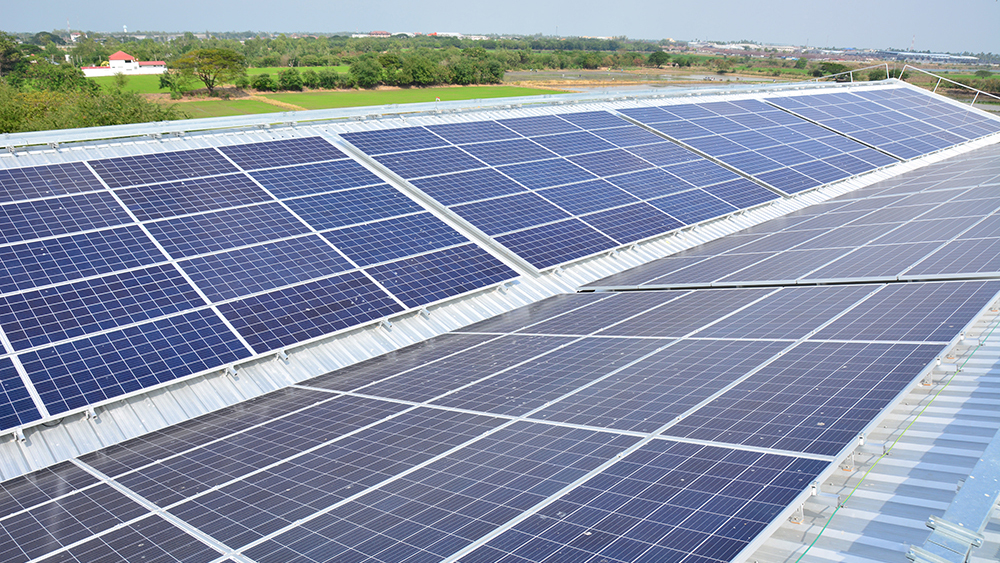
Commercial Solar PV is already enabling businesses to turn large areas of unused roof space into productive energy-generating assets.
Steve Rooke Ltd has delivered commercial renewable-energy installations including a 100 kW Solar PV system comprising 252 panels, demonstrating how larger commercial roof areas can be utilised to generate electricity directly at the point of use.
Real-world projects such as these also demonstrate why commercial Solar PV needs to be approached as an electrical infrastructure project. Array design, cable routes, containment, inverter positioning, isolation, connection to the existing installation and safe commissioning all need to work together as part of a complete system.
Key Considerations Before Investing
Before proceeding with a commercial Solar PV or Battery Storage installation, businesses should consider:
- Energy consumption: When and how much electricity does the site actually use?
- Roof suitability: Is sufficient suitable roof area available and is the structure appropriate for the proposed installation?
- Existing electrical infrastructure: Is the current installation suitable for integration with the proposed system?
- Battery requirements: Would stored energy genuinely improve self-consumption, load shifting or other operational objectives?
- Grid capacity: Are there network or export constraints that could influence the design?
- Future requirements: Are additional machinery, EV charging, Battery Storage or future expansion likely?
- Monitoring: How will generation, consumption and system performance be measured after installation?
Considering these factors together helps ensure that investment is based on the site’s real energy requirements rather than a one-size-fits-all solution.
Why Choose Steve Rooke Ltd?
Steve Rooke Ltd combines specialist renewable-energy expertise with more than 20 years’ experience in commercial and industrial electrical installations.
- MCS-certified Solar PV and Battery Storage installer
- NICEIC Approved Contractor
- Specialists in GivEnergy Battery Storage solutions
- Commercial and industrial electrical expertise
- Full system design, installation, testing, commissioning and certification
- Integration with existing commercial electrical infrastructure
- Experience delivering larger commercial Solar PV installations
- Coverage across Sussex, Hampshire and the South Coast
Our approach is based on understanding the electrical infrastructure and energy requirements of the complete site, allowing Solar PV and Battery Storage to be designed as part of a practical long-term energy strategy.
Conclusion & Next Steps
Solar PV and Battery Storage are giving UK businesses greater control over how electricity is generated, stored and consumed. For the right commercial or industrial site, a carefully designed system can reduce reliance on grid electricity, improve the use of renewable energy generated on site and support longer-term energy and sustainability objectives.
The key is correct system design. Solar generation, Battery Storage, existing electrical infrastructure, grid requirements and future energy demand should all be considered together rather than in isolation.
If your business is considering Commercial Solar PV, Battery Storage or a combined system, Steve Rooke Ltd can assess your site and provide practical advice on the most appropriate solution.
Contact Steve Rooke Ltd to discuss your requirements or arrange an initial site assessment.